Horse Dildo Manufacturer, Supplier and Wholesale Partner
Horse Dildo Manufacturer: Custom TPE Designs, Molds and Bulk Supply
Fantasy product lines depend on forms that standard catalogs rarely cover. A horse design needs correct proportions, a stable base, realistic surface detail, and a material that holds up under repeated use and cleaning. Many factories can copy an existing shape. Fewer can translate a concept sketch or reference image into a tooled, repeatable part.
We manufacture horse dildos and related equine-themed products in-house, from 3D design through TPE injection molding, machining, packaging and shipment, serving fantasy brands, wholesalers and private-label buyers.
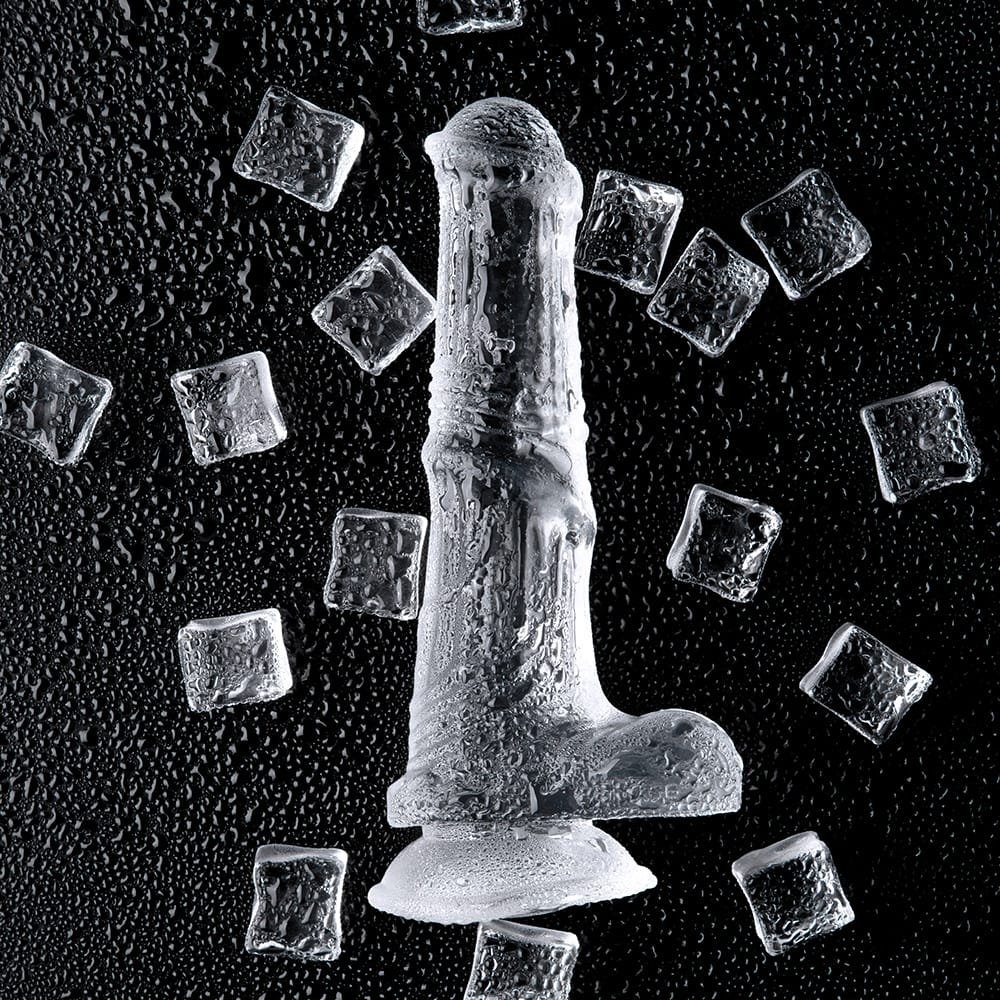
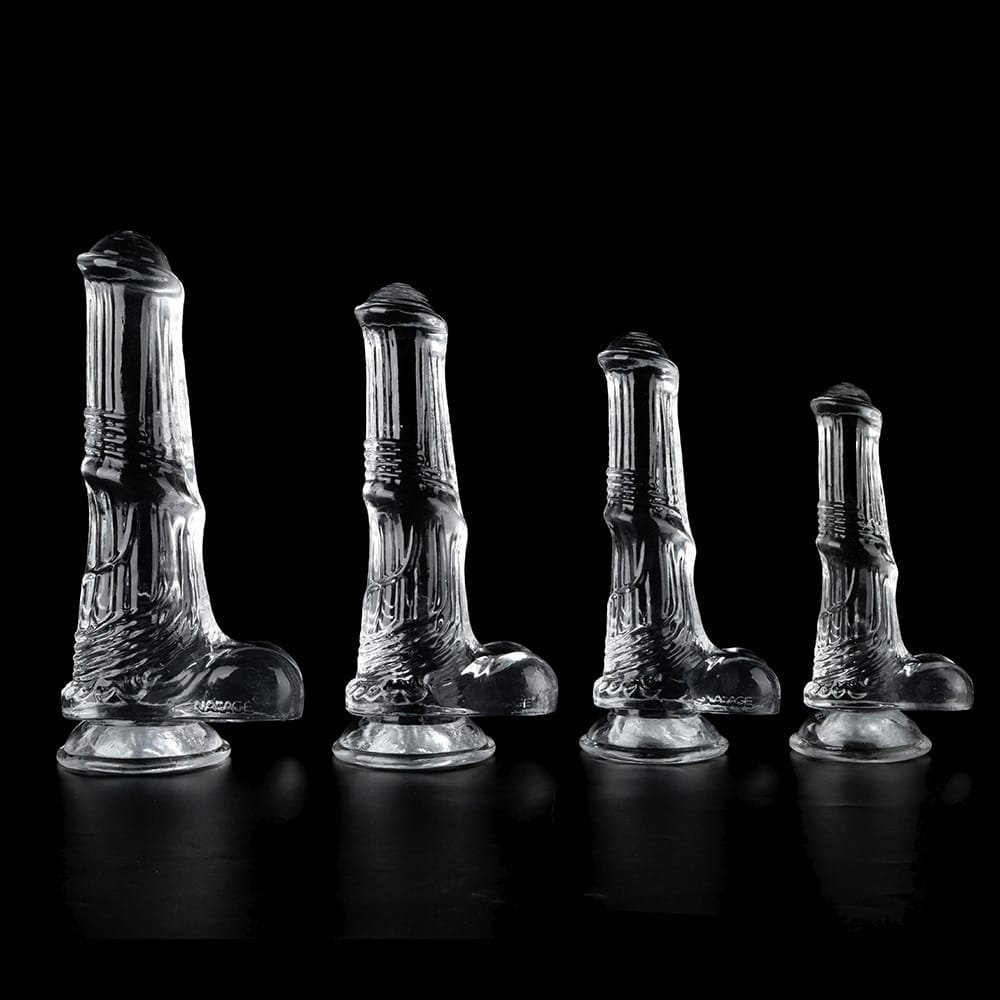
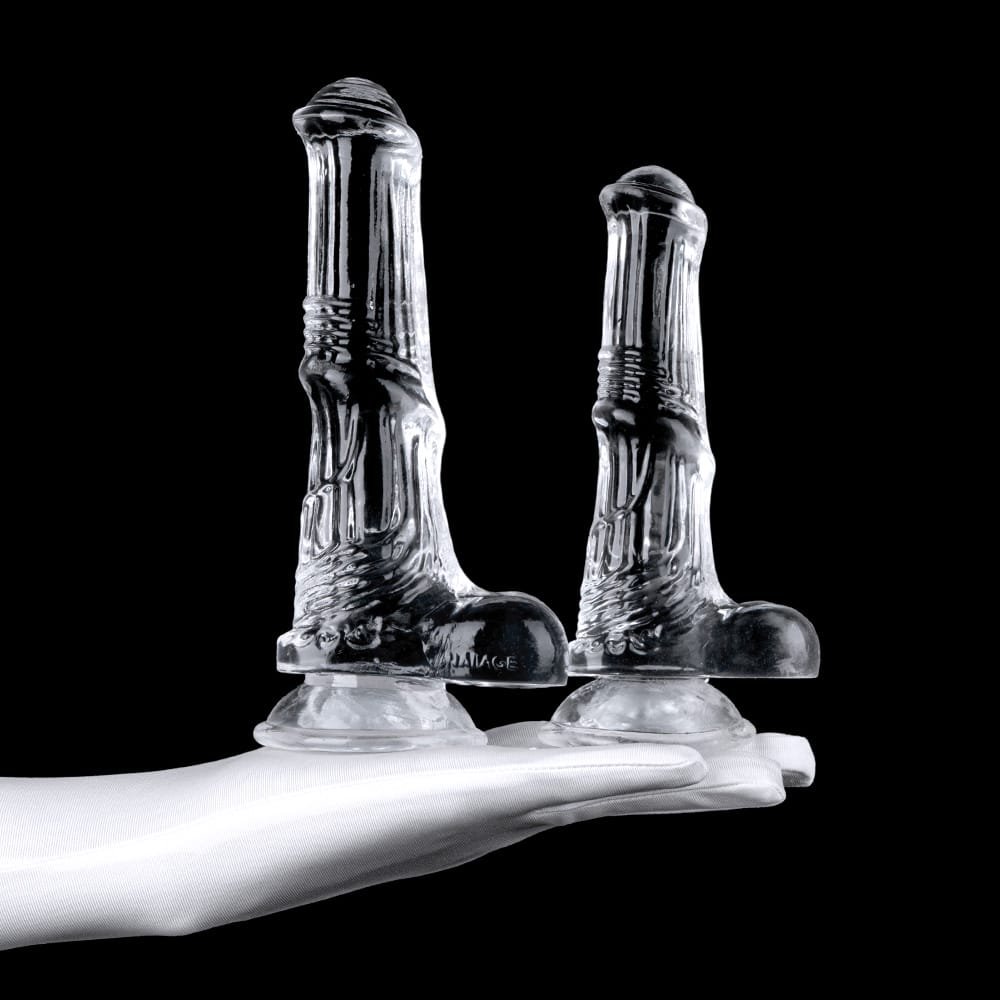
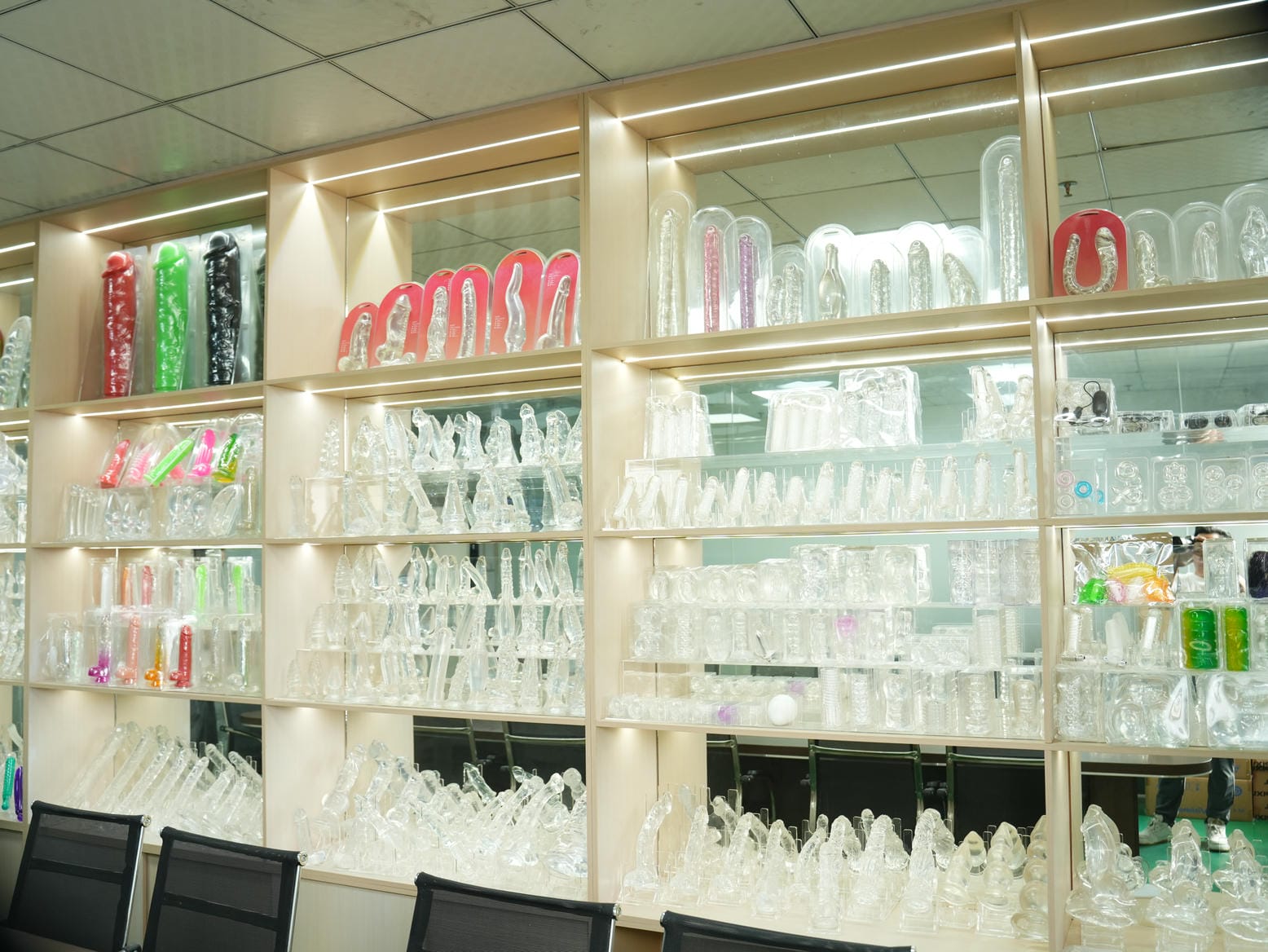
Product gallery and in-house manufacturing
We control each stage of the process in-house and focus on the project types we handle best. The examples below show the range of forms, textures and finishes we produce.
How TPE injection molding shapes a horse design
TPE is injected into a steel mold under controlled temperature, pressure and cooling time. The mold defines the external form, and the process determines how accurately that form is reproduced across thousands of pieces. For horse designs, three process factors matter most. These decisions are made during mold design, not after the first sample fails, so we review the structure with the client before cutting steel.
Flow path and gate position
Long, tapered or curved shapes need the gate placed so the material fills evenly without weld lines on visible surfaces.
Cooling and wall thickness
Uneven wall thickness causes sink marks and warping, especially where a thick base meets a thinner shaft. We adjust cooling channels to keep these transitions stable.
Ejection and demolding
Textured surfaces, undercuts and flared bases require a planned ejection system. A poorly designed ejection path leaves marks or deforms the part during release.
Proportion, anatomy and scale in equine designs
Horse forms are judged on proportion. A design that looks correct in a render can appear wrong once it is produced in a different scale or material. We check the following before a design is approved for tooling:
- Ratio of shaft length to base width
- Curvature profile along the central axis
- Head, neck or tail features and their visual balance from front and side
- Base diameter relative to total length, for stable standing on a flat surface
- Surface detail depth, so texture reads clearly without trapping material or cleaning residue
Design review before tooling
If a reference drawing has inconsistent proportions, we flag the issue and propose adjustments with a short written explanation. Clients can then choose between the original proportion and a corrected version, rather than discovering the problem in a sample.
Mold development for complex and non-standard shapes
Mold complexity drives both cost and lead time. A straight form with a simple base is a different project from a horse design with sculpted features, multiple undercuts or a split line that crosses a visible area. Our mold-making department works in sequence, and new mold development is evaluated individually based on structural complexity and order volume.
-
1
3D design and structure review
We build or refine the model, check draft angles and identify undercuts.
-
2
Parting line and core planning
The split position keeps the seam out of key surfaces where possible.
-
3
Machining and EDM
Detailed features and deep textures are cut with machining and electrical discharge machining (EDM) for fine contours.
-
4
Polishing and texture finishing
Surface finish is matched to the design intent: smooth, matte or textured.
-
5
Trial molding and correction
First shots are measured and inspected, and corrections are made in the mold before mass production.
Equipment and workshop capacity
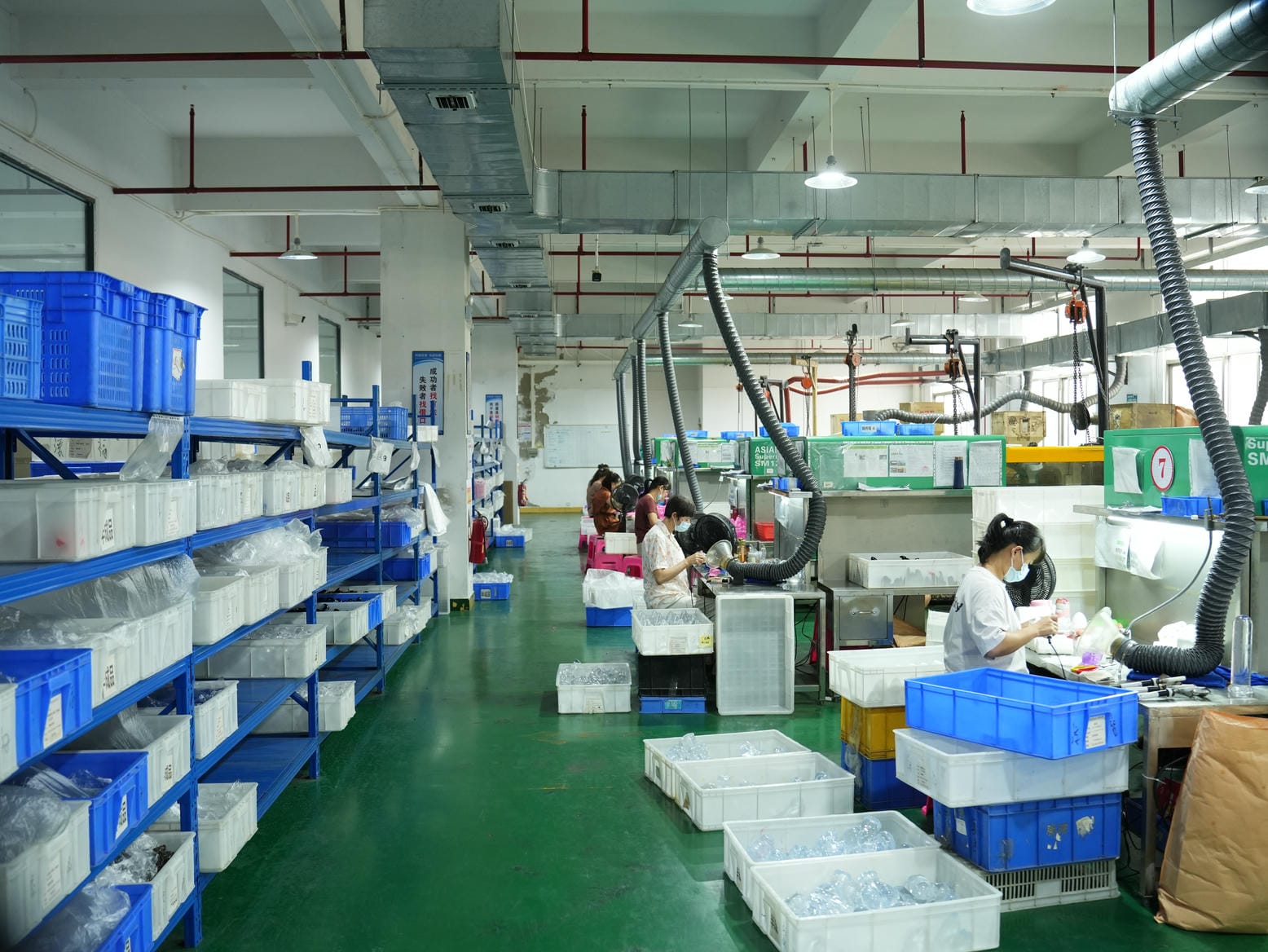
Our factory covers approximately 1,800 square meters of usable space. Molding, mold mounting, machining, packaging and warehousing are all in the same facility, so we can adjust a run without passing the work to an outside vendor. For buyers who need batch traceability, this reduces the number of handoffs where variation can enter.
- Injection molding workshop
- approx. 900 m²
- Machining workshop
- approx. 500 m²
- Warehouse
- approx. 300 m²
- Offices
- approx. 100 m²
Core equipment: 10 injection molding machines, 2 EDM machines, 1 mold-making machine, 1 lathe, 3 mixers and 3 shredders. Material mixing and reprocessing are handled in-house, which helps keep color and batch consistency under control over repeat orders.
Sample validation before bulk production
A sample is only useful if it reflects the production process. We separate the stages clearly so buyers know exactly what they are approving. Each approval stage is recorded, and if a defect appears in mass production, we can trace it to a specific mold setting, material batch or process parameter.
- Concept or 3D render: confirms proportion and overall form.
- Prototype: checks fit, surface and dimensions, using a simplified or temporary tool where appropriate.
- Trial molding sample: produced on the production mold as the reference for mass production.
- Pre-shipment inspection: first production batch checked against the approved trial sample.
Hardness, color and dimensional adjustments
Hardness and color are often specified too late in a project. We recommend deciding both during sample development, because changing them after tooling can affect surface appearance and mold wear.
Hardness
TPE formulations can be adjusted to produce a softer or firmer feel. Hardness is verified on the production part, and the target range is confirmed in writing before sign-off.
Color
Color is matched against a client reference, Pantone reference or approved sample, and checked under standard lighting in the production batch.
Dimensions
Length, base diameter and wall thickness are measured against the approved drawing. State tolerance expectations in the RFQ so they can be checked during sampling.
If a buyer needs a size range rather than a single dimension, we discuss whether a separate mold is required or whether the design can be scaled within one tool. Both options carry different cost and lead time implications.
Choosing the right route for your project
Not every horse design needs a new mold. Choosing the right route early saves time and budget. A short project review usually shows which route fits best.
Stock or existing-tooling route
Suitable for brands that want to test a concept, launch with a small range, or add a horse-themed item to an existing assortment. In-stock and reorder items ship in approximately 1–3 days.
Modified existing design
Color, hardness, packaging and minor dimensional changes can often be made on an existing tool. This is a practical path for brands that want differentiation without full tooling cost.
Custom new mold
Required for original sculpted forms, new proportions or distinct structural features. Lead time and cost depend on structural complexity and order volume, and are evaluated individually.
Materials and compliance documents
The primary material is TPE. We can provide certification documents including CE, RoHS, REACH and POPs to support compliance with European and American import requirements. Document scope depends on the specific product, market and packaging, so we recommend confirming the required list at the RFQ stage.
Labeling, packaging language and market-specific age-gating or marketing requirements should be reviewed with your own legal or compliance team. We can supply product information to support those reviews but do not replace local legal advice.
Who this service fits best
- Fantasy and creature-themed brands developing a signature or seasonal line where the design must be original.
- Wholesalers and distributors who want a differentiated SKU with stable reorder quality.
- Private-label buyers who need custom color, packaging and manual inserts around a base design.
- Product developers with a sketch or concept who need feasibility feedback before investing in tooling.
We are less suited to projects that require a finished design with no room for adjustment, or buyers seeking only the lowest unit price without a defined specification.
Order terms, lead times and packaging
For long-term buyers, we can set up repeat-order schedules and standard specification files so each replenishment matches the approved sample.
- MOQ
- No minimum order quantity. Small-batch trial orders are supported for validation.
- In-stock and reorder
- Approximately 1–3 days shipping.
- New mold development
- Timeline evaluated individually based on structure and order requirements.
- Packaging
- Private-label packaging, custom inserts and printed instruction materials are available.
- Documentation
- Specification sheets, sample reports and compliance documents can be provided with the quotation or before shipment.
Frequently asked questions
Quick answers for fantasy brands, wholesalers and private-label buyers evaluating a horse design project.
Request a Custom Horse Design Quote
To give an accurate quotation, include the following in your request. We review each request and respond with feasibility notes, a suggested production route and a preliminary quotation.
- Reference images, sketches or 3D files
- Target length, base diameter and approximate weight
- Preferred hardness range and color reference
- Packaging requirements and target markets
- Estimated first order quantity and expected reorder cycle
- Required certification documents