Remote Control Butt Plug Manufacturer
Remote Control Butt Plug Manufacturing for Brands and Wholesalers
We manufacture remote control butt plugs at our Dongguan factory. The outer body is injection molded from TPE, and the internal control module, battery compartment, and sealing structure are assembled in-house. We supply brand owners, distributors, and wholesale buyers who need one factory to handle the shell, the structure, and the packaging, with samples that match the production run.

How a Remote Control Butt Plug Is Built
A remote control butt plug has two layers of engineering that many buyers underestimate. The first is the body: a flexible shell that must feel consistent in hardness, hold its shape after repeated use, and keep the internal cavity sealed. The second is the internal system: a control module, a power source, and the wiring or contact points that connect them. Both layers depend on each other. A shell with a thin wall or an uneven flange can stress the sealing area, and a poorly planned cavity can make the module difficult to assemble or service.
Body and sealing
Shell hardness, wall consistency, and flange geometry are checked together because each one affects the sealing area and how the shell holds its shape.
Internal system
The control module, battery compartment, and contact points are laid out with the shell cavity so that assembly and service remain practical.
Most of the cost and lead time sits in the shell mold and the internal layout, not in the final assembly. When you compare quotes, check whether the supplier is quoting the mold, the shell material, the assembly labor, and the packaging as separate items. Those line items show how much of the build the factory actually controls.
Injection Molding of the TPE Shell
The shell is our core manufacturing process. We use TPE as the primary material and adjust color and hardness to the target feel and brand specification. Injection molding runs on our 10 injection molding machines, with molds produced in our mold-making department, so mold revisions, trial shots, and production runs stay in the same workflow.
For buyers who already have a shell design from another source, we review the drawing for moldability before quoting. If the geometry needs a change to run stably, we flag it early rather than discovering it during trial molding.
-
1
Mold preparation
Mold design is reviewed against wall thickness, geometry, and the transition to the base before the mold is cut.
-
2
Trial molding
Thin sections, undercuts, and sealing areas are tested first, since they determine both appearance and sealing performance.
-
3
Dimensional check
Trial parts are measured against the approved drawing before the process is locked for production.
-
4
Mass production
The process is adjusted for each design's wall thickness and geometry, then run in batches.
Structure, Assembly, and Machining Support
Beyond molding, the factory handles the parts that turn a shell into a finished product. Our machining workshop, with 1 lathe and EDM equipment for mold inserts and fixtures, supports components that need tighter tolerances. Assembly is carried out in-house, including fitting the internal structure into the shell and completing the sealing and functional checks specified for the model.
Control method, function configuration, and battery arrangement vary by model. We do not assume a standard set for every project. Before production, we confirm the exact control type, function set, and internal layout with the client and record them in a product specification sheet. This sheet becomes the reference for samples, QC, and repeat orders.
In-House Capacity and Equipment
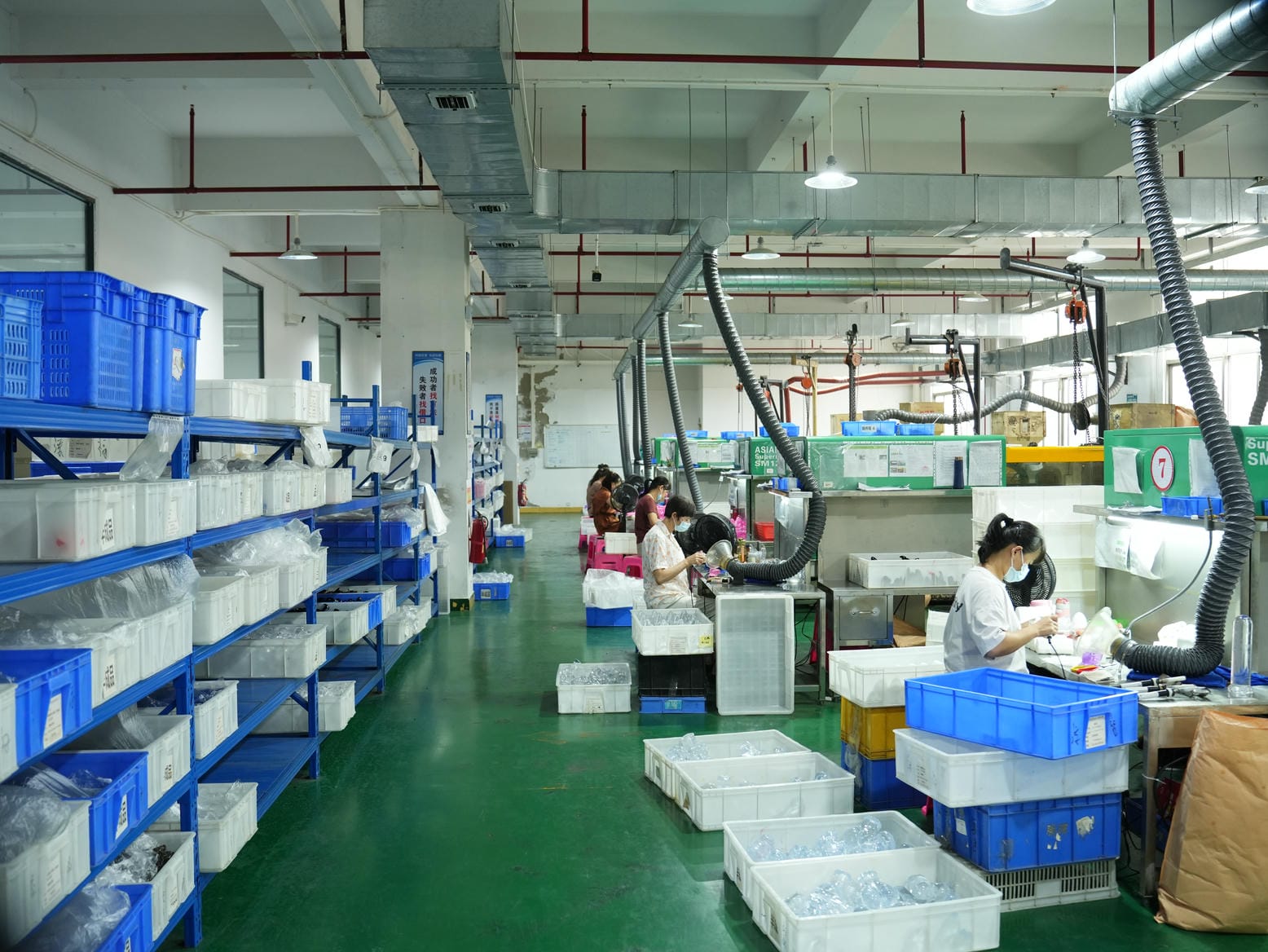
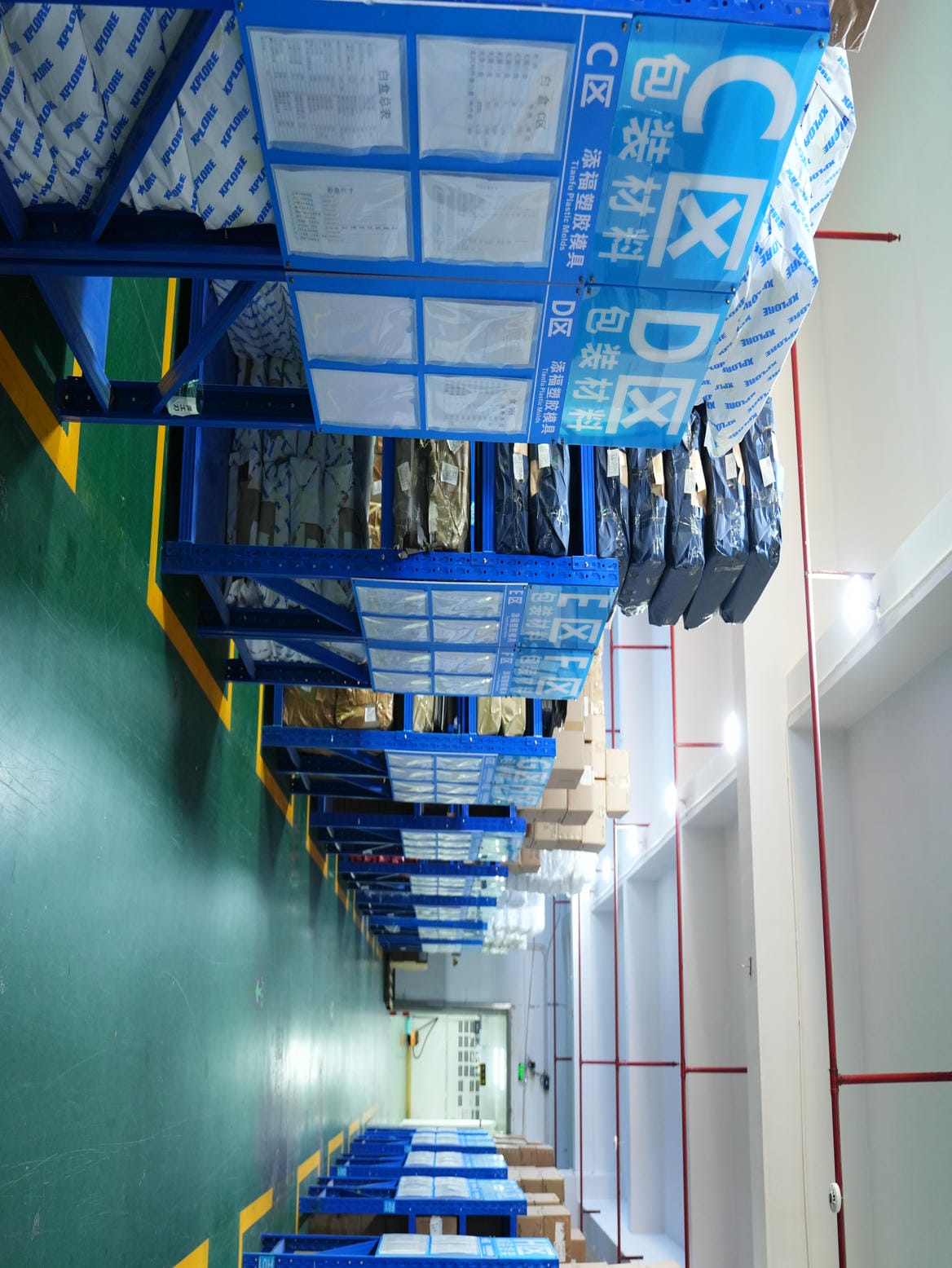
Our factory operates on approximately 1,800 square meters of usable space: about 900 square meters for injection molding, 500 for machining, 300 for warehousing, and 100 for offices. The process runs from 3D mold design through polishing, trial molding, mass production, machining and assembly, and packaging to shipment, with each stage handled internally.
10
Injection molding machines
1,800
Square meters of usable space
3
Mixers and 3 shredders for material prep
1–3
Days typical reorder shipment
| Department | Equipment / Function |
|---|---|
| Injection molding | 10 injection molding machines |
| Mold making | 2 EDM machines, 1 mold-making machine |
| Machining | 1 lathe |
| Material preparation | 3 mixers, 3 shredders |
| Mold mounting, assembly, packaging, warehousing | In-house departments |
OEM and ODM Scope for Remote Control Products
Customization covers four areas. Color and hardness can be adjusted within the TPE system to match a brand palette or a target feel. Private-label packaging, logo placement, and custom instruction manuals are handled in-house. For new shapes, we develop molds from customer drawings, with 3D review and prototyping before tooling is committed.
Color and hardness
Adjusted within the TPE system to match a brand palette or the target feel.
Packaging and documentation
Private-label packaging, logo placement, and custom instruction manuals, usually without new tooling.
New shell geometry
Molds developed from customer drawings, evaluated individually for complexity.
Order size
No set minimum order quantity. Small trial runs are accepted, and order size follows the project stage.
The scope of change depends on the model. Changes to shell geometry require a new or modified mold. Ask for the specification sheet to see which options apply to a given model before you commit to a design direction.
Sample Testing and Quality Control
Samples are produced from the same mold and material used for mass production, so the feel, color, and dimensions you approve are the ones that will ship. We recommend a structured sample round: a first prototype for fit and feel, a pre-production sample after any revision, and a final approval sample before the production run.
During production, quality checks cover appearance, dimensions, hardness, and assembly. Each approved sample becomes the reference standard for the batch. For wholesale and distributor orders, we can align inspection criteria with your own acceptance standard before the first shipment.
-
Round 1: Prototype
Fit and feel evaluation.
-
Round 2: Pre-production
Issued after any revision.
-
Round 3: Final approval
Reference standard before the production run.
Private-Label Packaging and Retail-Ready Presentation
Packaging is often where a wholesale or private-label program is won or lost. We produce packaging with your logo, color, and insert design, along with customized instruction manuals. Packaging files are reviewed against final product dimensions before print, reducing the risk of a mismatched box or a loose insert after the first shipment.
For distributors, we can keep the packaging standard across a range of SKUs so that a single color system carries across the line.
Choosing the Right Project Path
Not every project needs a new mold, and not every buyer needs full customization. If your target is a distributor with a stable catalog, the wholesale path is usually the right starting point. If you are building a differentiated brand line, a short design review and one or two sample rounds will show whether a new mold is justified.
| Project type | Typical approach | Notes |
|---|---|---|
| Wholesale or distributor restock | Existing shell, standard or lightly adjusted packaging | Fastest route; stable replenishment |
| Private-label line | Existing shell with color, hardness, and packaging changes | Lower development cost; faster to market |
| Exclusive product | New mold from drawings, custom structure | Requires design review and staged development |
| Brand upgrade | Revised shell and internal layout | Iterate from sample results to production |
Lead Times and Supply Planning
Reorders of existing products ship in approximately 1 to 3 days. New mold development is scheduled individually, based on structure, revision rounds, and order requirements.
Forecasting for wholesale programs
We recommend agreeing on a forecast and reorder schedule early. A stable forecast lets us plan mold maintenance and material preparation around your restock cycle.
Certifications and compliance
CE, RoHS, REACH, and POPs documentation can be provided for materials and products within scope, supporting European and American requirements. We confirm which certificates apply to the model and destination market.
Frequently asked questions
Answers for brand owners, distributors, and wholesale buyers evaluating remote control butt plug suppliers.
Request Remote-Control Product Specifications
To quote a remote control butt plug accurately, send the following details about the product and program. We will return a specification sheet along with sample and lead time options:
- Target market (Europe, United States, or other)
- Product type: existing model, private-label variant, or new design
- Desired color and hardness, or a reference sample
- Control method, function set, and battery arrangement required
- Packaging requirements and whether custom instruction manuals are needed
- Estimated first-run volume and expected reorder cycle
- Documentation required (CE, RoHS, REACH, POPs)
Email:
Phone:
WhatsApp:
Factory address:
Please include your company name and the product reference or drawing, if available, so we can match your request to the correct specification sheet.