TPE adult product manufacturing · Dongguan
Product Development Support for Wellness Professionals
We manufacture TPE adult products in Dongguan, and we work with educators, clinicians, content advisors, and niche category specialists who know exactly what users need. We help translate that knowledge into shape, size, material, and finish.
Send us your brief, and we will return a feasibility review with a practical development path.
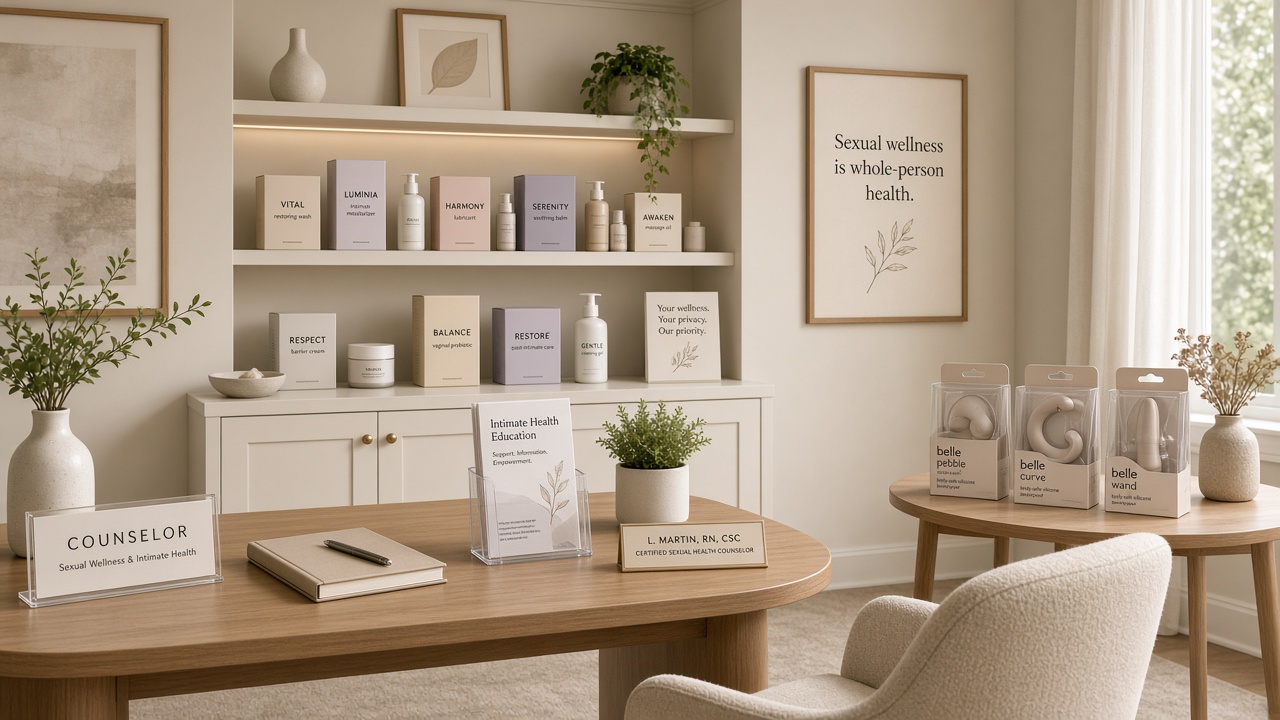
What We Take From Your Brief
Professional briefs rarely arrive as manufacturing drawings. They usually describe a need: a size range current products do not cover, a texture users find more comfortable, a form that is easier to handle, or a color palette that suits a particular community.
Our engineers separate the needs that affect structure from those that affect finish or packaging, then turn each point into specific questions.
01 · Dimensions
Reference points, not one length
We define base, shaft, and tip requirements, which parts stay firm, and which should flex.
02 · Handling
Use and cleaning considerations
Handling and cleaning requirements can change the surface finish and the structure of the part.
03 · First model
Fewer prototype rounds
These answers shape the first 3D model and reduce the number of prototype rounds later.
Responsible scope: We do not provide medical or therapeutic claims for any product. We build what you specify within sound manufacturing and material practice, and we tell you clearly where a requested feature creates a production or compliance problem.
How TPE Affects Feel, Finish, and Cost
TPE, or thermoplastic elastomer, is our primary material. It is injection-moldable, which allows repeatable detail and efficient production runs, and it offers a soft, skin-like touch that many professionals consider important.
Perceived softness depends on hardness, wall thickness, and surface texture together, so we evaluate them as one system.
| Decision | Effect to consider |
|---|---|
| Lower Shore A hardness | Softer feel and more flex, but thin, very soft sections can deform during demolding or handling. |
| Higher Shore A hardness | Holds fine detail and returns to shape more reliably, but can feel less yielding. |
| Light or translucent colors | Show flow lines and sink marks more readily, so mold polishing and process control must be stricter. |
| Thicker sections | Use more material and cool more slowly, increasing both cost and cycle time. |
Our recommendation: decide on a target feel first, then test two or three hardness options on trial samples rather than relying on a number alone. Color is achieved through masterbatch or compounding.
Structure, Dimensions, and Shape Decisions
Most development problems are structural. Before tooling begins, we review draft angles, wall uniformity, undercuts, parting line position, and gate location. These decisions determine clean ejection, even filling, and whether weld lines will appear in critical areas.
For multi-part designs, we recommend specifying the base diameter, working section, transition radius, and tip profile, each with its tolerance expectation. Where a product fits a handle, base, or case, the mating part should be sampled first.
Grip zones, control flanges, and flexible wall thickness all affect how a product is held and cleaned. We can review concept sketches or existing samples and mark sections to adjust before a mold is cut.
Our Production Capacity
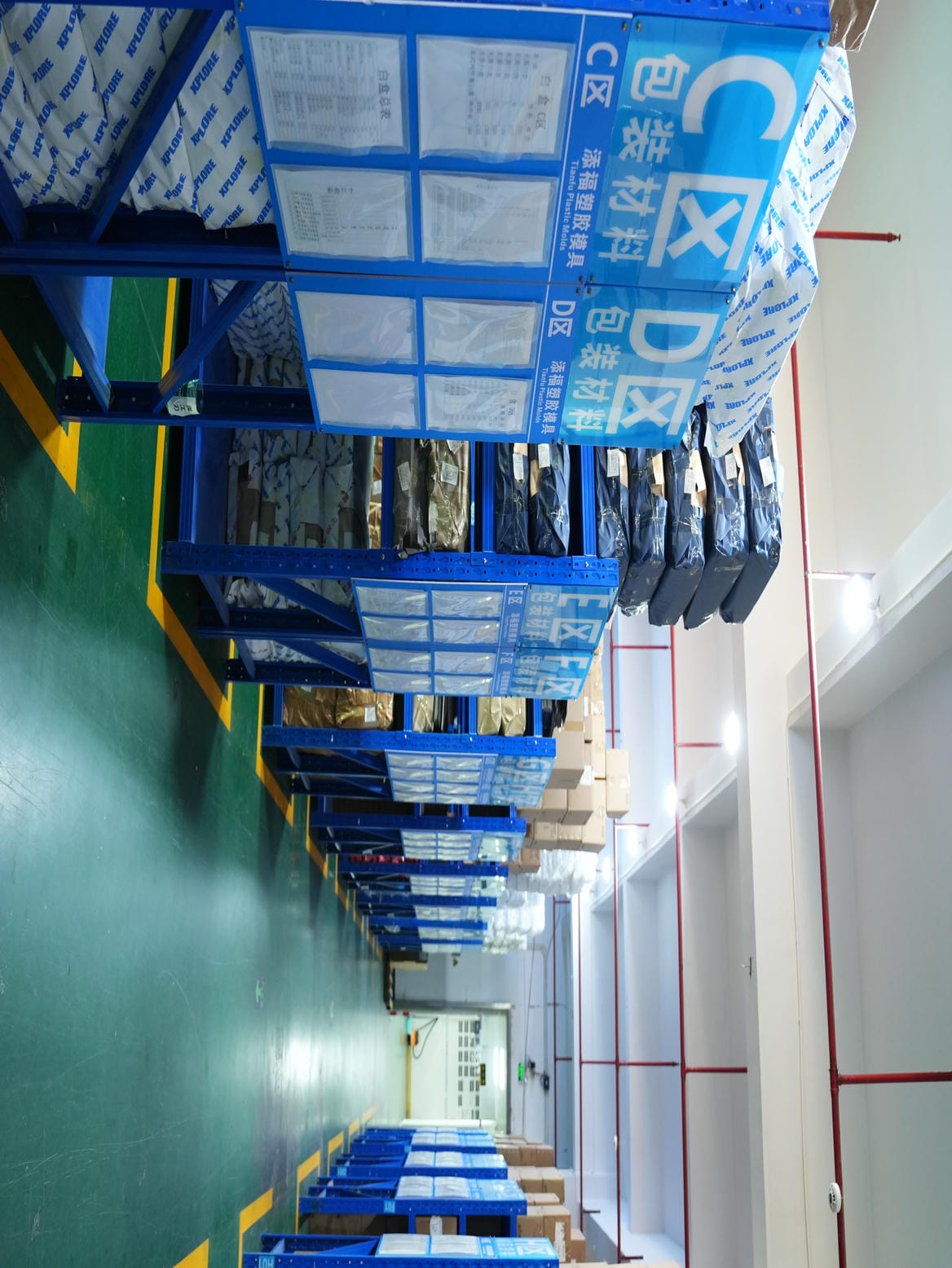
Our factory covers approximately 1,800 square meters in Dongguan. Material preparation, molding, mold mounting, machining, packaging, and storage sit on one controlled site, which shortens communication loops during development.
- Injection molding workshop
- ~900 m²
- Machining workshop
- ~500 m²
- Warehouse
- ~300 m²
- Offices
- ~100 m²
Core equipment
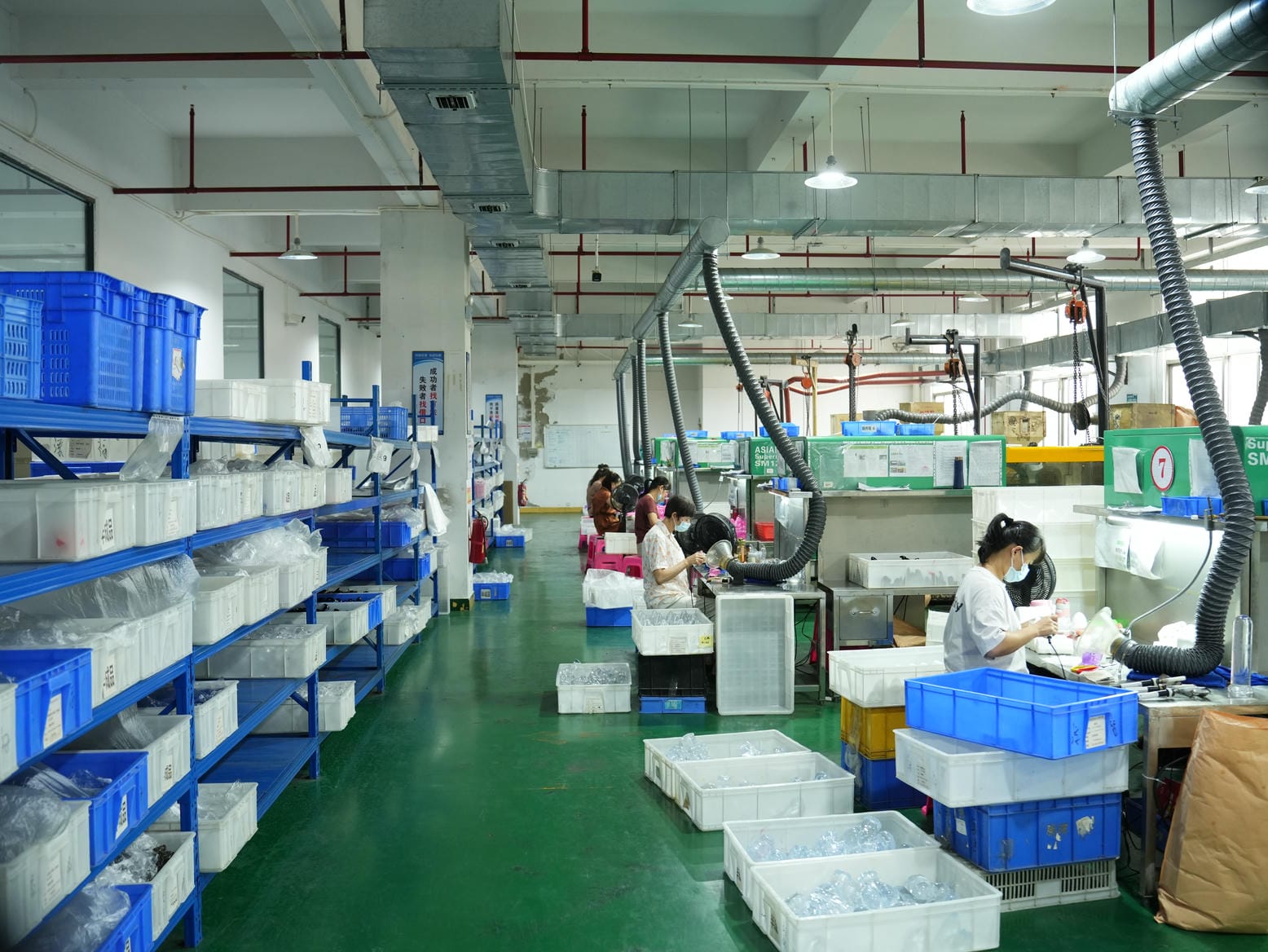
- 10 injection molding machines
- 2 EDM machines
- 1 mold-making machine
- 1 lathe
- 3 mixers
- 3 shredders
Mixers and shredders support material preparation and the recycling of approved runner material for trial work, so we can run small prototype batches without waiting for full-scale material orders. Mold making, material mixing, molding, mounting, machining, packaging, and warehousing are all handled in-house by one team.
From Trial Sample to Mass Production
Mold design, mold making, polishing, trial molding, mass production, machining and assembly where required, then packaging and shipping. Mold design and trial molding happen in the same facility, so sample issues can be corrected without transferring files between vendors.
-
1
Brief review
We review your brief and produce a 3D model or refine your existing drawing.
-
2
Prototyping
Prototypes are made with trial tooling or a modified process, depending on the design.
-
3
Small-batch testing
You test samples with your user group or advisors and send feedback on structure, feel, and finish.
-
4
Pre-production
We adjust the tooling, run a pre-production batch, and confirm the approved standard before mass production.
No minimum order quantity
Sample quantities are set by the needs of the project, so you can evaluate usability, packaging fit, and market feedback before committing to a full order.
Timing
Standard catalog reorders can ship in roughly 1 to 3 days. New mold development is evaluated individually, based on structural complexity, cavity count, finish requirements, and order volume.
Mold, Finish, and Assembly Under One Roof
Polishing levels follow the surface finish the product needs. Matte or textured finishes are cut into the mold surface, while high-gloss areas require additional polishing passes. The finish specification is recorded in the mold file so repeat orders match the approved sample.
For products that combine TPE with rigid components, we machine the rigid parts and assemble the finished set. This reduces the number of suppliers and keeps assembly tolerance under our control.
Documents and Material Compliance
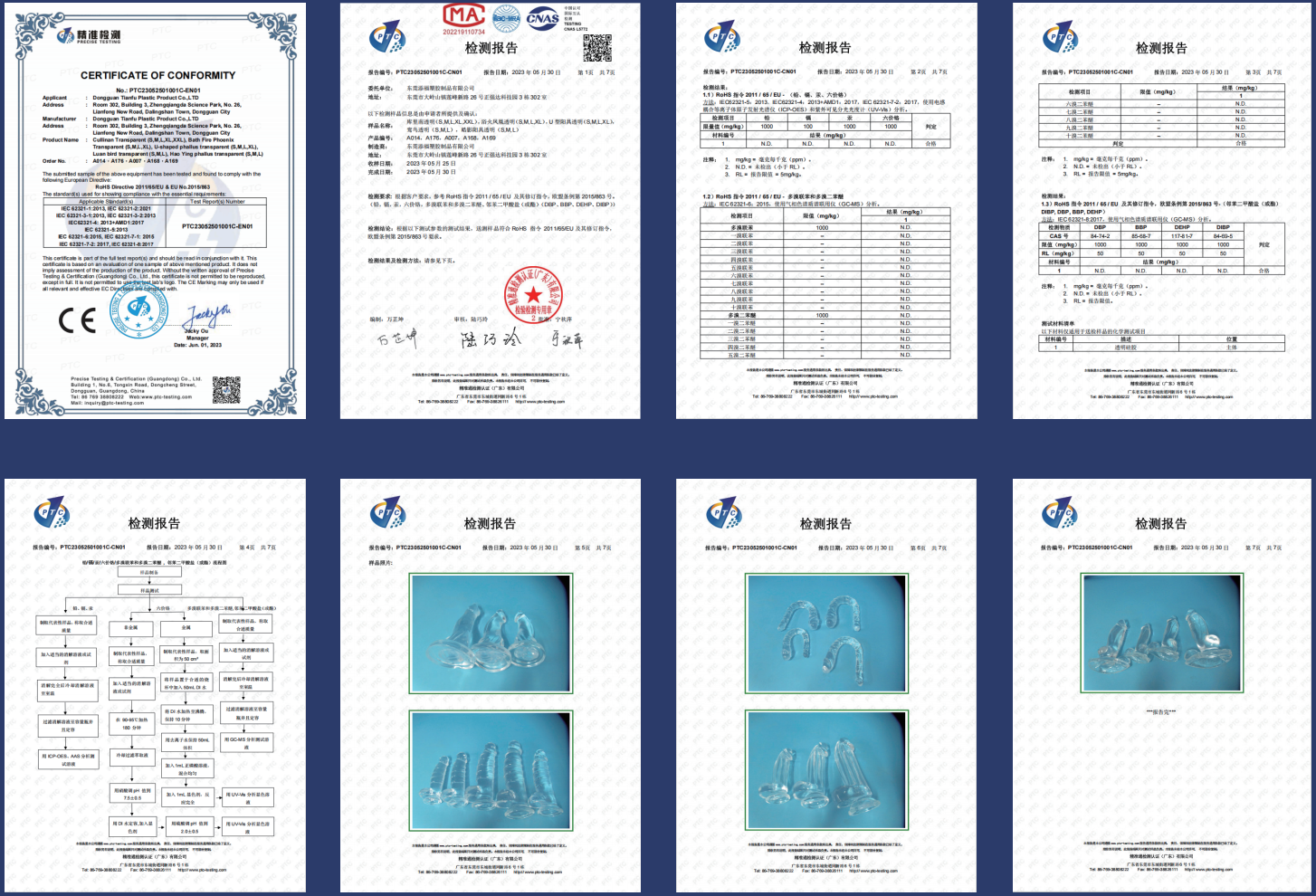
We can provide CE, RoHS, REACH, and POPs documentation for our TPE materials, supporting compliance review for European and American markets.
Documents depend on the material grade and test scope, so tell us your target market and product category before we prepare a package.
Traceability
Each document is linked to the production batch and material lot, supporting traceability if a question arises after shipment.
Each approved sample is stored with its dimensions, hardness reading, color reference, and process parameters, so repeat orders are produced to the approved standard.
Choosing the Right Process
Not every project needs a new mold. If your concept can be met with an existing structure, a change of color, hardness, or packaging can reach market faster and at lower risk.
Start with existing designs when
- Your concept fits an existing structure.
- Changes are limited to color, hardness, or packaging.
- Speed and lower development risk matter most.
Plan a new mold when
- You need a specific shape, size range, or structural feature.
- Tooling is confirmed after users or advisors validate the concept.
- If TPE molding cannot reliably meet your target volume, we will suggest alternatives such as a different wall thickness, a split-part design, or a secondary material.
Projects We Are Well Suited To
We work best with clients who have a clear user need, a defined product concept, and a willingness to test before scaling.
- Sexual health educators developing teaching models
- Clinicians or therapists specifying products for a professional setting
- Content advisors turning audience research into a product line
- Niche specialists building for a defined community
Where We Are Less Suited
We would rather discuss scope before quoting when a project involves:
- A finished product required within days
- Medical or therapeutic performance claims
- No defined user profile
Confidentiality and Responsible Language
Many professional briefs contain sensitive information about users, communities, or research. We sign NDAs before receiving detailed concepts when requested.
Restricted access
Project files are limited to the engineers involved, and concept drawings, samples, and notes are kept separate by project.
Neutral, respectful language
We review terminology, imagery, and instructions for specification and packaging so they reflect your community standards.
Frequently Asked Questions
Request a Quote
To return a useful RFQ, please include the following in your brief:
- Target user group and intended use scenario
- Reference image or drawing
- Key dimensions or size range
- Target hardness and color
- Expected trial quantity and target volume
- Packaging requirements
- Markets where the product will be sold
- Any existing sample from another manufacturer, with notes on what should change
We will reply with a feasibility assessment, a development path, and a quotation for prototyping and tooling where relevant.