Hollow Anal Plug Manufacturer
Hollow Anal Plug Manufacturer for Brand and Wholesale Programs
Hollow anal plugs look simple from the outside, but the internal cavity changes almost every step of production: the mold needs core and slide structures, the TPE has to fill thin and thick sections evenly, and the wall must hold its shape after demolding.
We manufacture hollow TPE plugs in our Dongguan factory, from the first 3D drawing to bulk shipment. If you are developing a hollow range or replacing a supplier whose hollow SKUs vary in size or feel, send us your target specification and we will review it before any tooling is cut.
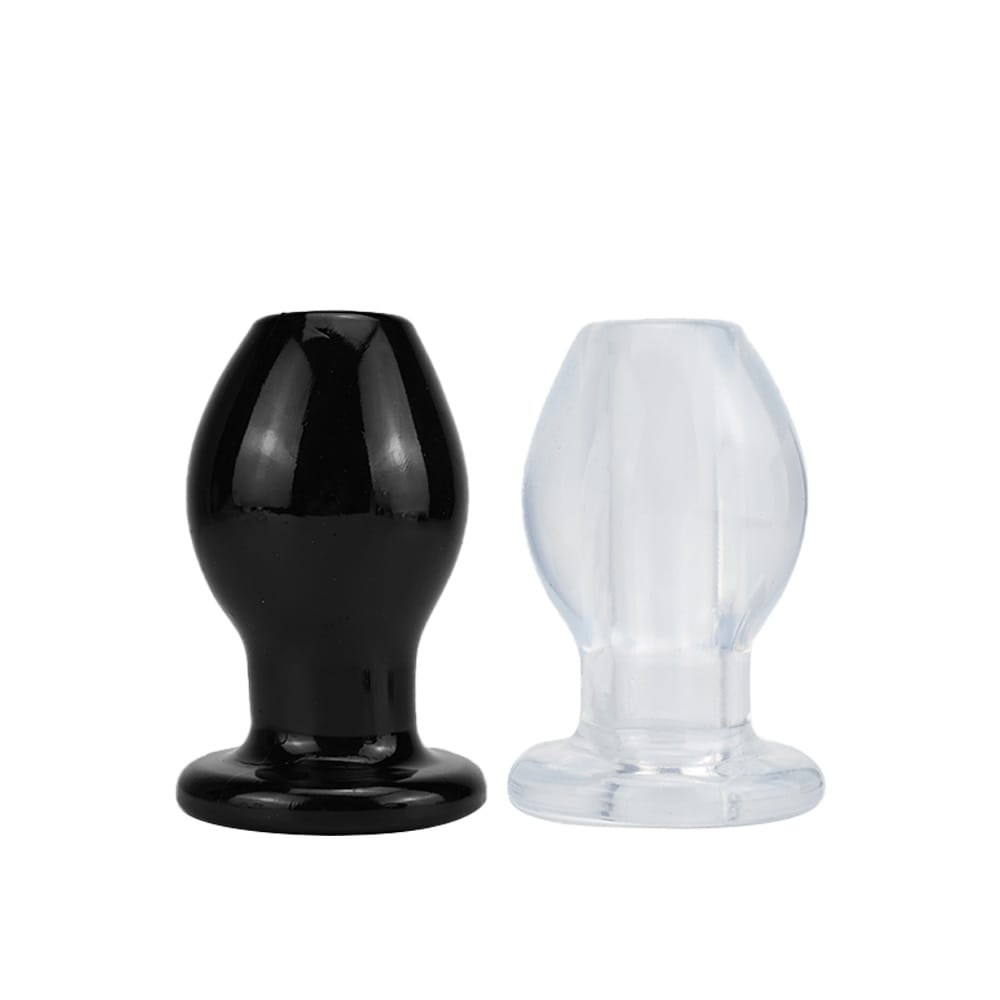
Hollow plug product gallery
Examples of hollow TPE plug structures produced for brand and wholesale programs. Final geometry is confirmed against your drawing at design review.
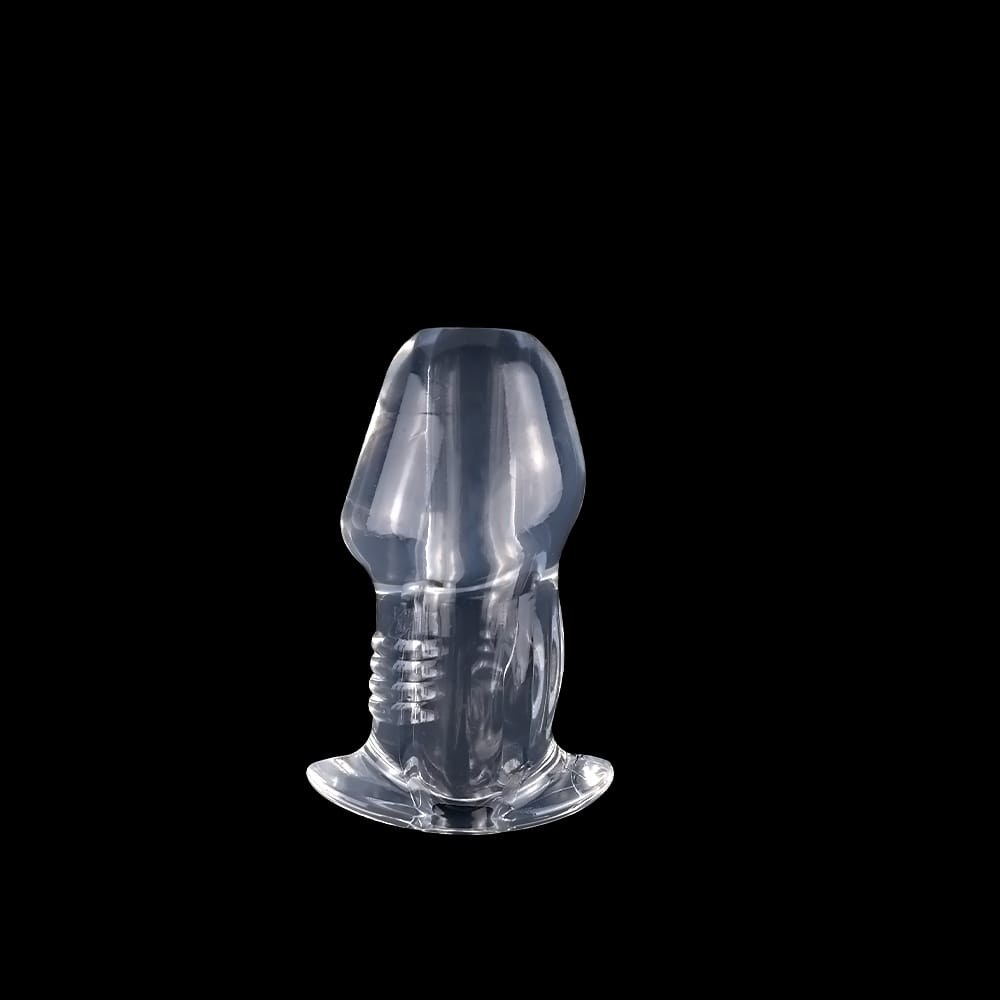
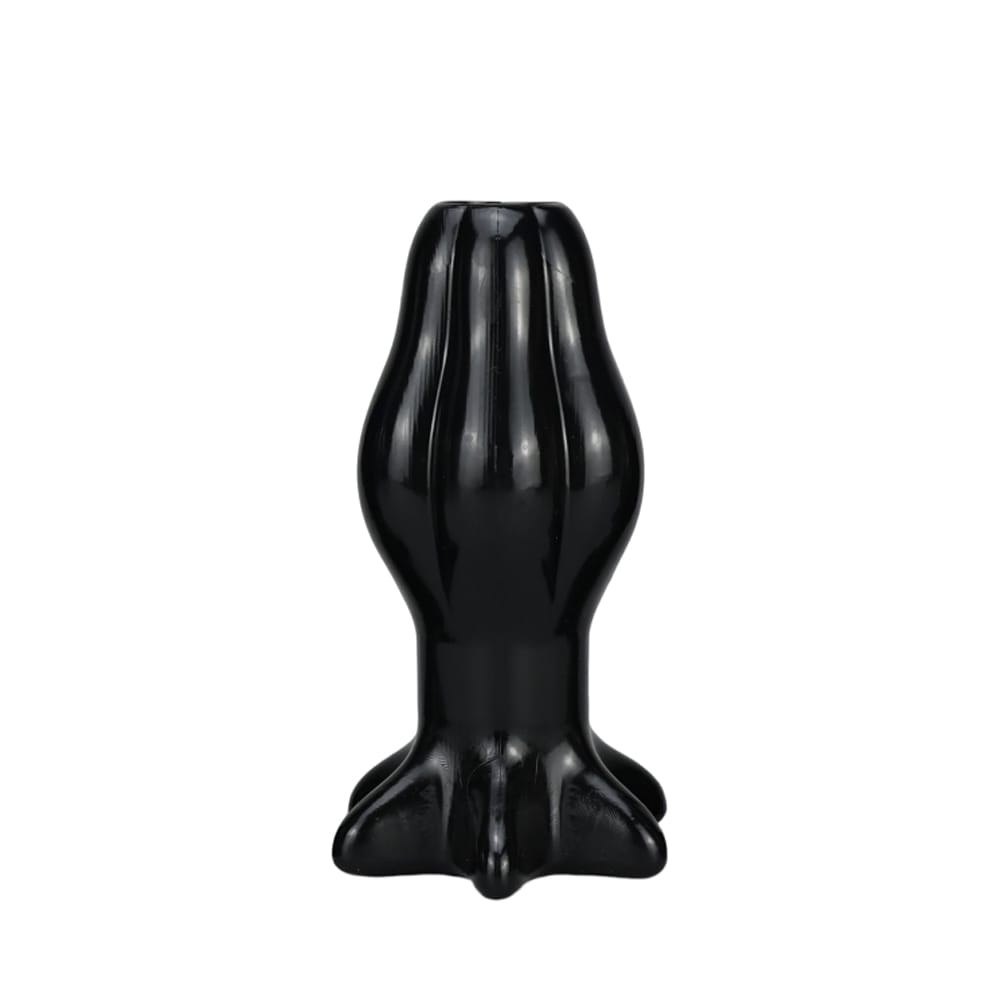
What the hollow structure changes in production
A solid plug is mainly a question of outer geometry and hardness. A hollow plug adds three variables that affect the finished part.
Wall thickness
The wall between the outer surface and the internal space sets stiffness, flex under pressure and surface feel. A wall that is too thin deforms during demolding and packing. A wall that is too thick sinks, shows flow lines and adds material cost.
Cavity depth and opening
The core pin must be long enough to form the cavity but stable enough not to deflect under injection pressure. We check the ratio of cavity depth to core diameter during design review, because it decides whether the core holds its position across a production run.
Base and flange
The base is where the hollow section meets the stopper or flange, and where stress concentrates. We adjust radius and thickness at this transition so the part keeps its shape in use and during packaging.
Understanding these three variables at the drawing stage prevents most of the revisions that otherwise follow a first trial mold.
Structure options for existing and new hollow designs
Many brands start from a proven hollow profile and change one or two features. We work in three common ways.
| Route | What changes | Typical use |
|---|---|---|
| Existing hollow style | Color, hardness, packaging, minor size adjustment | Fast range expansion, low risk |
| Structural improvement | Wall thickness, cavity depth, base radius, surface pattern | Fixing feel or durability issues in an existing SKU |
| New hollow design | Full 3D model based on your drawing or sketch | Distinct product line, exclusive SKU |
Existing stylesThe mold is already built and trial history exists, so you can launch quickly.
Structural improvementsUseful when returns or customer feedback point to a specific weakness, such as a thin tip or unstable base.
New designsTake longer but give you a product other suppliers cannot copy from a catalog.
How we control wall thickness and internal space
Wall thickness control starts in the 3D model. Before cutting steel, we check the model for uneven sections and mark areas where the TPE will need longer flow paths. We adjust the core geometry so the wall is consistent around the circumference, not just at the midpoint.
In the trial stage we measure the finished sample at several points along the length and compare them against the drawing tolerance. If one section drifts, we correct the core or gate position rather than only changing injection parameters.
Internal space is controlled through the core. We use mold-making and EDM equipment in-house, so core adjustments do not go to an outside shop. A small change in cavity shape or depth can be corrected and checked within the same trial cycle.

TPE injection molding for hollow parts
TPE is our primary material. For hollow plugs we tune the formulation and the process together.
Hardness
Selected to balance flexibility with shape retention. Softer compounds show the most movement in thin walls, so we often test two hardness levels on the same mold before committing.
Mixing
Color and compound batches are prepared in our three mixers in controlled quantities, which reduces color variation between production lots.
Injection
Run on ten molding machines. Clamp force, melt temperature and cooling time are set according to wall thickness, not one default profile for every SKU.
Venting and gate position
Reviewed on each new mold, because trapped air inside a closed cavity causes burn marks and short shots that are hard to see until a batch is packed.
Key specifications
The values below describe what we typically produce. Final numbers depend on your drawing, hardness and mold structure, and are confirmed at design review.
| Parameter | Typical range or option |
|---|---|
| Material | TPE (primary), other compounds on request |
| Hardness | Adjustable by formula; confirmed per SKU |
| Wall thickness | Set by drawing; reviewed for consistency at trial |
| Internal cavity | Formed by core pin; depth and diameter set per design |
| Surface | Smooth, textured or patterned finish, depending on mold |
| Color | Custom color matching by batch |
| Mold type | New mold or existing mold, evaluated by structure complexity |
| Trial molding | Included in new mold process before mass production |
| Minimum order quantity | No MOQ |
| In-stock reorder lead time | Approximately 1–3 days |
| New mold lead time | Evaluated individually per structure and order |
| Packaging | Standard or private-label packaging, customized instructions |
| Certification documents | CE, RoHS, REACH, POPs |
| Factory area | Approximately 1,800 m² |
Development path from drawing to trial mold
A typical hollow plug project follows these steps. Because every stage happens in one factory, a change requested at the trial stage does not wait for a third-party mold shop.
-
1
Drawing or sketch review
We check dimensions, wall thickness targets, cavity depth and base structure, and flag anything that may cause sink marks, weak sections or demolding problems.
-
2
3D design
We build the model and share renders or section views for approval before any steel is cut.
-
3
Prototype or first sample
Prototypes confirm feel, size and hardness. Changes at this stage cost much less than changes after mold cutting.
-
4
Mold making and polishing
Core and cavity are machined in-house and polished to the surface finish you specify.
-
5
Trial molding
We measure wall thickness, cavity dimensions and surface quality, then send a sample report with photos and measurements.
-
6
Revision and mass production
After approval we lock the process parameters and start production with a documented baseline for future reorders.
Which projects suit this process
- Brands adding a hollow SKU to a line that currently has only solid or simple designs.
- Wholesalers who need a consistent hollow size across several reorders from different suppliers.
- Distributors looking for an exclusive structure or a modified version of a common style.
- Product teams testing two or three hollow concepts before committing to one mold.
Less suited to
Projects that need a finished, fully tested product in days without a sample stage. Hollow designs require at least one trial cycle, and we recommend budgeting for it.
Samples, MOQ and reorder support
We do not set a minimum order quantity. You can start with a sample run to check feel and dimensions, then move to a small batch for store or channel testing.
Once a SKU is approved, reorders from stock usually ship within 1–3 days. For new molds, we confirm the timeline after reviewing structure complexity and order volume, so you receive a realistic schedule rather than a generic promise.

Frequently asked questions
Common questions from brands and wholesalers evaluating hollow anal plug suppliers.
Yes, when the wall section and core pull are feasible. We confirm structure on design review and sample.
No general MOQ. Complex cores may set a practical production batch, which is stated in the quote.
Within tooling limits. New dimensions usually require mold changes, which we assess before quoting.
Yes. Packaging and manuals can carry your brand.
In-stock and reorder TPE items typically ship in about 1–3 days.
Request Hollow Plug Product Samples
To prepare an accurate sample quote, send the following details. A reference photo or competitor sample is enough to start.
- Target length, outer diameter at the widest point, and base diameter
- Wall thickness target or acceptable range
- Internal cavity depth and opening diameter, if known
- Hardness preference or reference product
- Color and surface finish requirements
- Sampling quantity and expected monthly volume
- Private-label packaging or custom instructions, if required
Email:
Phone:
WhatsApp:
Factory address:
Send your specification and will respond with a feasibility review and a sample plan.